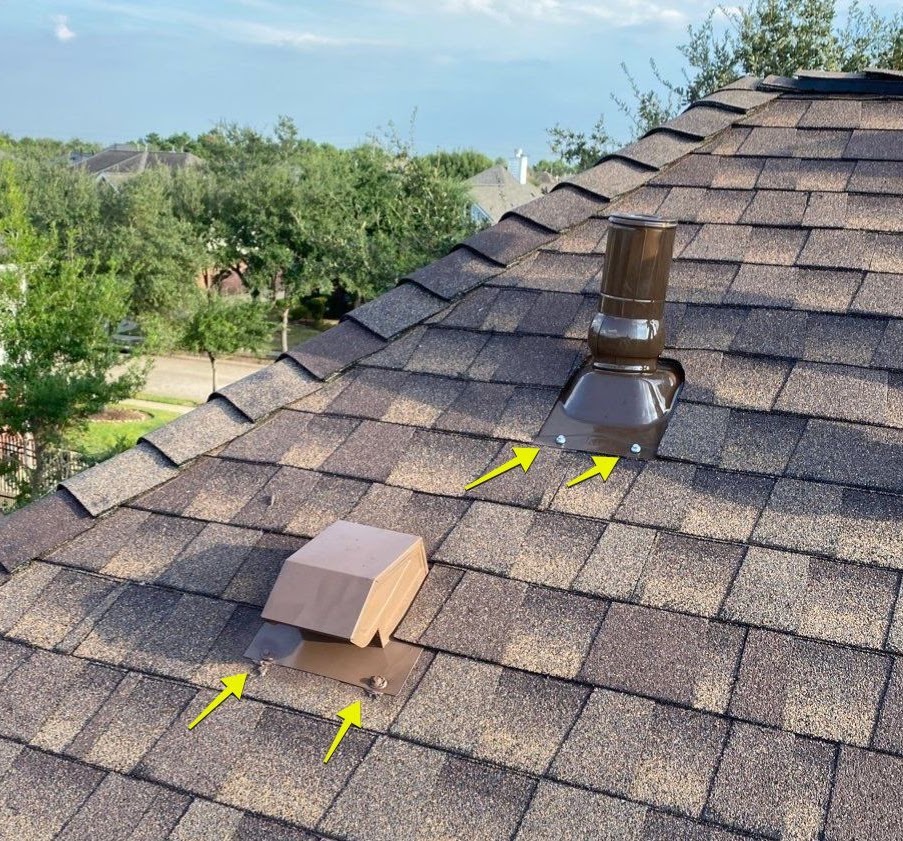
Why Use Roofing Screws on Flashing?
WHY YOU SHOULD USE ROOFING SCREWS ON FLASHING
When it comes to keeping your roof watertight,flashingplays one of the most important roles. It seals the joints and transitions — around chimneys, skylights, walls, and vents — where water is most likely to sneak in. But even the best flashing won’t do its job if it’s installed with the wrong fasteners.
That’s whereroofing screwscome in.
WHY ROOFING SCREWS ARE BETTER THAN NAILS
Many older roofs were built with nails securing the flashing, but over time, nails canloosen, rust, or pull outwith temperature changes and roof movement. Roofing screws, on the other hand, are designed for durability and hold. Here’s why they make the difference:
Tighter, longer-lasting seal:Screws create a stronger grip, keeping flashing firmly in place through expansion and contraction.
Better leak protection:Most roofing screws come withrubber or neoprene washersthat seal out moisture.
Improved wind resistance:Screws are less likely to back out during high winds or storms.
Easier maintenance:Screws can be removed and replaced cleanly during repairs without damaging the surrounding metal or shingles.
COMMON AREAS THAT NEED PROPER FLASHING FASTENERS
Chimneys and skylights
Roof-to-wall transitions
Valleys and dormers
Vent pipes and exhausts
Using the correct type of fastener might seem like a small detail, but it’s one that can make or break your roof’s long-term performance.
THE BOTTOM LINE
Flashing is your roof’s first line of defense against leaks — and roofing screws make that defense stronger. Choosing high-quality screws and ensuring they’re installed correctly helps prevent leaks, rust, and costly repairs down the road.
If you’re unsure whether your roof flashing is secure or properly installed, contactONE LEGACY ROOFING. Our team can inspect your roof and make sure every detail — from shingles to screws — is built to protect your home.
